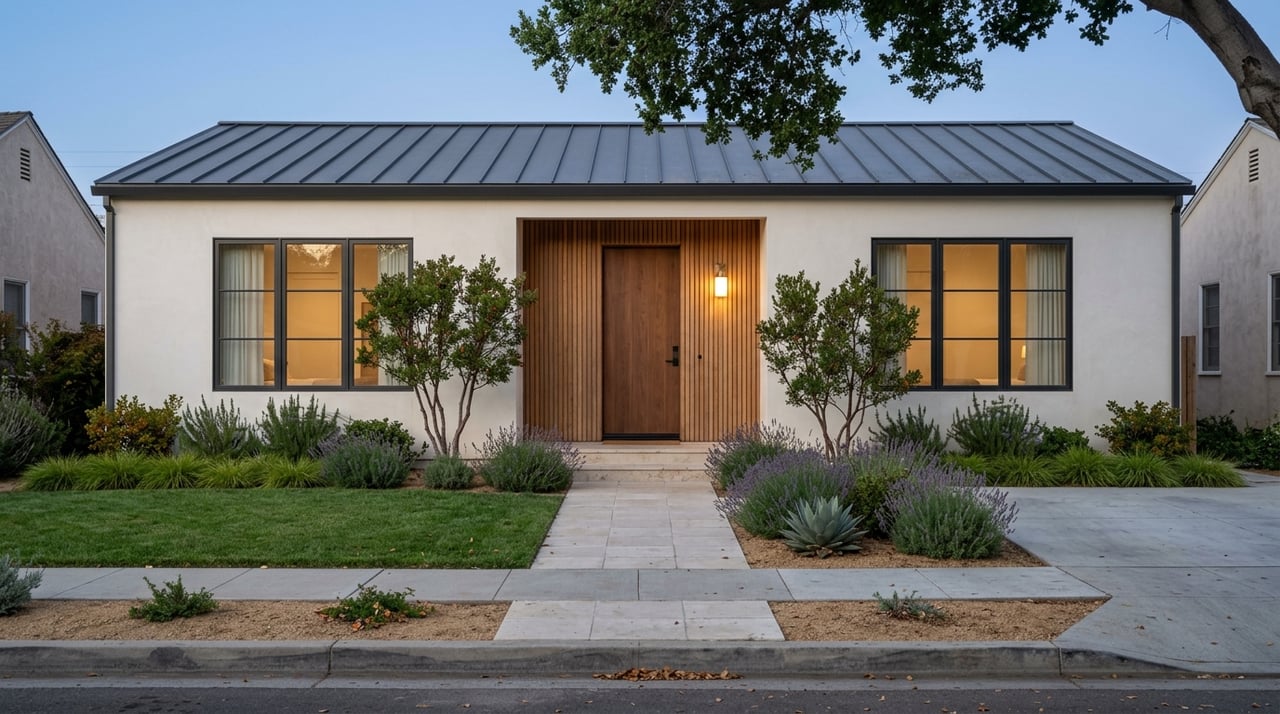
Strategic Home Pricing In San Jose’s Competitive Market
Wondering whether you should aim high, price right at market, or list slightly below to create momentum? In San Jose, that choice can shape how many buyers notice your home, how quickly showings happen, and how strong your offers look. If you are preparing to sell in a fast-moving market, a smart pricing strategy can help you protect both your timeline and your bottom line. Let’s dive in.
San Jose remains competitive, but buyers are paying close attention to value. In May 2026, Santa Clara County single-family homes sold in 11 days at 104% of list price, and in April 2026 they sold in 9 days at 105% of list price, according to MLSListings. That tells you well-positioned homes are still moving quickly.
At the same time, buyers are not accepting every price without question. Redfin reported San Jose homes were selling in about 13 to 14 days in May 2026, with the average sale around 3% above list price. Zillow’s April 2026 data also showed that 66.7% of sales closed above list price, while 27.0% closed below list price.
The takeaway is simple: the market still rewards accurate pricing. A strong result does not come from picking the highest number and hoping buyers stretch. It usually comes from choosing a list price that fits the evidence and creates early interest.
Competitive pricing does not always mean pricing low. It means pricing in a narrow, evidence-based range that reflects your home’s condition, location, features, and the way similar homes have actually sold.
In nearby Bay Area markets, asking-price trends can influence seller expectations. Redfin’s 2025 metro analysis found the typical buyer paid 2.3% above asking in San Jose, 1.3% above asking in Oakland, and 3.8% above asking in San Francisco. Even so, your home should be priced using San Jose and immediate competing-area data, not a headline from another city.
That matters because buyers compare listings instantly. If your home looks out of step with realistic alternatives, you may lose the urgency that often drives the strongest early activity.
Your list price is one of the first signals buyers see. It shapes whether they click, schedule a tour, and decide your home feels like an opportunity worth pursuing.
Redfin reported that nationally in 2025, 62.2% of buyers paid below the original list price, while 22.8% paid above it. Among buyers who got a discount, the typical discount was 7.9%, which was the largest since 2012.
That national data does not override local San Jose conditions, but it does show a broader pattern of price sensitivity. Buyers today have strong tools for comparison, and many are careful about stretching past what the home appears to justify.
The practical issue is this: if a home is priced too aggressively at launch, it may attract fewer showings and weaker early momentum. Once a listing sits, buyers often start asking what is wrong with it, even when the home itself is solid.
In a market where many homes sell in roughly two weeks or less, your opening price carries extra weight. The first wave of buyer attention is often your best chance to create competition and confidence.
When your home enters the market, buyers who have been waiting for the right fit usually notice quickly. If the price lines up with what they have seen in recent sales and current options, they are more likely to act. If it feels inflated, they may move on and wait for a reduction.
That is why pricing should be part of a full launch plan, not a standalone guess. Preparation, timing, presentation, and communication all support the price you bring to market.
The best pricing decisions usually start with recent closed sales. Fannie Mae says comparable sales should have similar physical and legal characteristics, and neighborhood sales are the best indicator of value when available.
In most cases, that means looking for at least three closed comparables, usually from the last 12 months. A slightly older sale may still be useful if it requires fewer adjustments than a newer but less similar property.
CFPB explains the same principle in plain terms: appraisals compare your home to similar homes in the same area and adjust for differences like square footage, bedroom count, bathroom count, and year built. So when you review pricing, the headline sale price alone is not enough.
A useful comp should be similar in the ways buyers care about most. That can include:
For condos, townhomes, and planned communities, same-project or same-subdivision comparables deserve extra weight when available. Buyers often compare those homes side by side, so the pricing relationship matters.
Not every sale is a clean apples-to-apples match. Fannie Mae notes that comparable sales should be adjusted for market-based differences, including concessions and changing market conditions.
For example, a recent sale may have included closing-cost help, a rate buydown, or a prior price reduction. That sale still tells you something, but it may not support the same number as a cleaner sale with stronger terms.
This is one reason pricing in San Jose requires more than pulling a few recent sales online. You need to interpret what those sales actually mean in context.
This is one of the most common seller questions, and the answer depends on your home’s evidence-based range. In San Jose’s current market, there is a strong case for setting a price that attracts attention early rather than testing the very top edge of possibility.
If your home shows well, is well-prepared, and compares favorably to recent sales, pricing at or slightly below the most supportable range can help generate urgency. That may increase the chance of multiple offers and stronger negotiation leverage.
If you instead choose an aspirational number with limited support, you may end up chasing the market with reductions. That can cost time and weaken your position, even if the final sale lands near where you could have started more strategically.
Some San Jose homes do not fit neatly into a standard comp set. You may have an unusual layout, a rare lot, a custom remodel, or limited recent neighborhood sales.
In those cases, Fannie Mae allows the use of competing-market-area sales when they are the best available comparables and the reasoning is clearly explained. That makes the pricing discussion even more important for unique properties.
The goal is not to force your home into a bad comparison. The goal is to build a logical value story using the best available evidence, while staying honest about what buyers are likely to compare your home against.
Pricing works best when it is supported by strong preparation. NAR’s 2025 seller survey found that sellers most wanted help with marketing the home to potential buyers, pricing the home competitively, and selling within a specific timeframe.
That matches what many San Jose sellers need in real life. Price is important, but so are staging, photography, inspections, disclosures, and a clear plan for going live.
When those pieces work together, buyers are more likely to see your home as well managed and market-ready. That can support stronger offers and smoother negotiation.
If you are selling in San Jose, it helps to think of pricing as a strategy, not a wish list. The goal is to launch with a number that fits the facts, invites serious attention, and supports a clean path to closing.
In a market where homes can still move quickly, overpricing can cost you the very momentum that helps sellers win. A realistic opening price often does more to protect time on market and net proceeds than an ambitious one that misses the mark.
If you want a calm, data-driven pricing plan for your San Jose home, Yuri Lavrentiev can help you evaluate the comps, prepare your home thoughtfully, and launch with a strategy built for today’s market.
Stay up to date on the latest real estate trends.
Yuri provides elevated representation, refined marketing strategies, and skilled negotiation designed to protect and maximize your investment. With a tailored approach for each client, every property receives white-glove service and every transaction is executed at the highest level.
Yuri Lavrentiev | CA DRE# 02103193
1133 Minnesota Ave San Jose, CA 95125