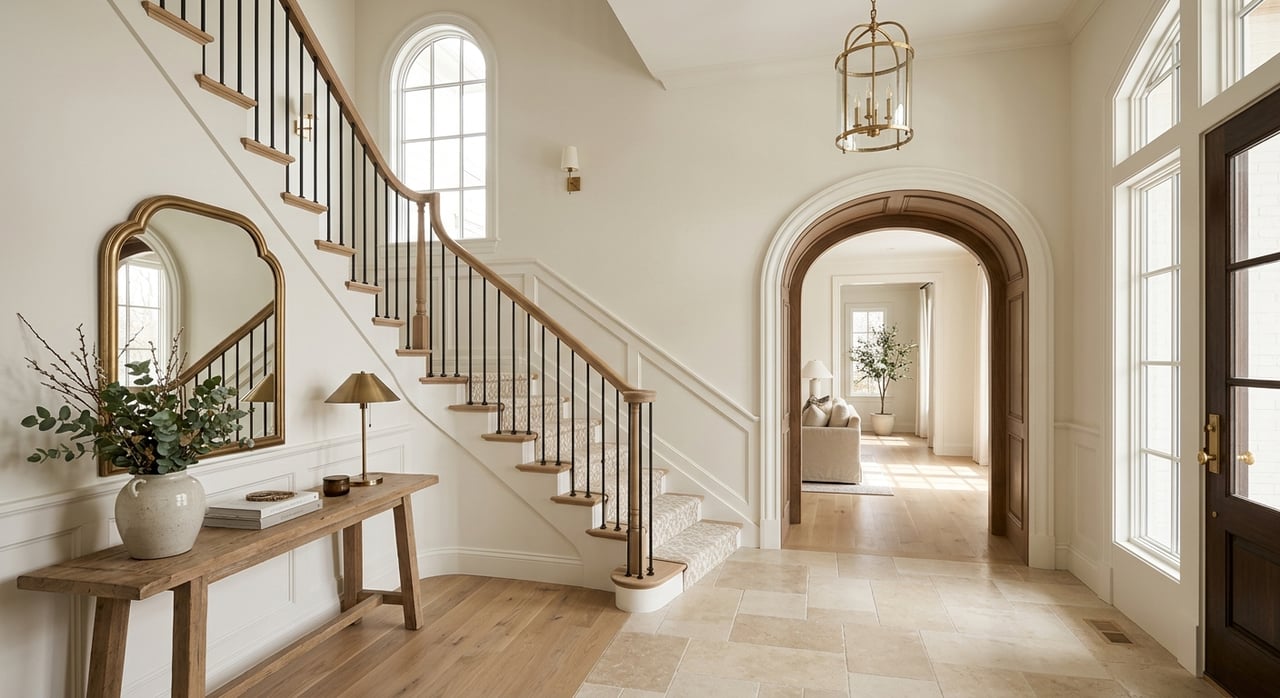
Coordinating A San Ramon Sale With A South Bay Purchase
If you’re selling in San Ramon and buying in the South Bay, the hardest part usually is not finding two homes. It is getting the timing right without putting your money, move, or sanity at risk. Because prices, inventory, and affordability differ meaningfully across Contra Costa County and Santa Clara County, a smooth transition usually takes a written plan, not a last-minute scramble. Let’s dive in.
San Ramon’s detached home market has been relatively tight, with a median price of $1.775 million in May 2026, average days on market of 16, and about 2.3 months of inventory. On average, buyers were paying about 100% of list price. That can help a well-prepared seller move efficiently, but it does not guarantee your replacement purchase will line up perfectly.
In Santa Clara County, affordability is even more challenging. California Association of REALTORS data for the first quarter of 2026 showed a median single-family price of $2.03 million, a minimum qualifying income of $492,800, and only 22% affordability, compared with 30% affordability in Contra Costa County. In practical terms, many San Ramon homeowners moving south will face a more expensive purchase and may need extra flexibility in how the two transactions are structured.
City-level pricing in the South Bay also varies quite a bit. April 2026 medians were around $1.7 million in San Jose, $2.10 million in Santa Clara, and $2.535 million in Sunnyvale. That spread matters when you are estimating how much equity from your San Ramon sale will be needed for the next down payment and closing costs.
There is no one-size-fits-all answer. The right structure depends on your cash reserves, equity, comfort with risk, and how competitive your target South Bay market is.
Selling first is often the cleanest option if you need proceeds from your San Ramon home to fund the next purchase. Once buyer and seller agree to terms, escrow begins, and in California the closing date should be specific because timing matters and changes generally require a signed writing.
In a typical California transaction workflow, buyers usually have about 3 days to deliver the deposit to escrow, 7 days to complete the loan application and verify funds, and 17 days to complete inspections and investigations. That structure can give you a clearer planning window for your South Bay purchase, especially if your next offer depends on knowing exactly when your sale will close.
The tradeoff is that you may need temporary housing or a post-closing occupancy agreement if you have not secured the next home in time. For many households, though, that short-term inconvenience is easier to manage than carrying two homes at once.
Buying first can reduce moving stress because you secure the next home before giving up the current one. But this path usually requires enough savings or financing flexibility to cover overlap.
Bridge loans are generally short-term loans of 12 months or less that can help you buy a new home while planning to sell your current one. Owners may also look at a HELOC or second mortgage to tap equity, but those options add repayment risk if payments are missed. Lenders also need to document your ability to carry the new home, the current home, the bridge loan, and your other obligations.
This option can work well for households with strong reserves and stable income. It tends to be less comfortable when most of your down payment is tied up in your San Ramon equity.
A same-day sale and purchase sounds ideal because it can minimize overlap and reduce the need for temporary housing. In reality, it requires tight coordination among agents, lenders, escrow, and both sides of each transaction.
Mortgage closing and home purchase closing typically happen at the same time, but the buyer should receive the Closing Disclosure three business days before closing. It is also wise to confirm the closing package with the lender or closing agent at least a week ahead. Even one delay can ripple through both sides of the move, which is why same-day closings need careful planning and backup options.
When you are coordinating two moves at once, contingencies matter. They create a written framework for what must happen before you are fully locked in.
California’s standard contract package includes a Contingency for the Sale or Purchase of Other Property, often called the COP form. This is the tool used to make your South Bay purchase dependent on selling your San Ramon home, or in some cases to make your San Ramon sale dependent on finding a replacement property.
This can be especially helpful if your down payment depends on sale proceeds. It gives you a formal structure instead of relying on verbal assumptions about timing.
If you are managing two transactions, it can be tempting to waive protections to stay competitive. But financing and inspection contingencies are important safeguards when you are balancing close dates, loan approval, and the condition of the next home.
Once a contract is accepted, canceling outside the contingency framework can put your deposit at risk. That is why the timing strategy should be discussed before you write or accept an offer, not after.
Sometimes the best answer is simple: close one transaction, then give yourself a short, documented buffer before the move.
If your San Ramon home closes before your South Bay purchase, a seller occupancy agreement can help bridge the gap. California Association of REALTORS forms distinguish between seller occupancy of less than 30 days and occupancy of 30 days or more.
The key point is that your move-out timeline should be documented clearly. An informal handshake agreement is not enough when possessions, insurance, and possession dates are involved.
Even if the seller remains in possession after close, the final verification of condition should still happen before closing. That protects the buyer and keeps expectations clear for both sides.
This is one of those details that can be easy to overlook when everyone is focused on logistics. But in a two-transaction move, small details often make the biggest difference.
A coordinated move usually works best when you map it out before your San Ramon home hits the market. The earlier you understand your numbers and deadlines, the more options you will have.
Before you plan your South Bay purchase, estimate what you are likely to net from your San Ramon sale. Then compare that number against your target purchase price, down payment goals, and likely closing costs.
Closing costs typically run about 2% to 5% of the purchase price, depending on factors like the home price, down payment, lender costs, loan type, and location. It is also smart to keep an emergency cushion of at least three to six months of expenses. For a move-up buyer, that reserve can help cover overlap, moving costs, and timing gaps between closings.
Your timeline should include:
In California, contract changes generally need to be in writing and signed by both parties. That makes a written timeline essential, especially if dates need to shift.
Your sale and purchase should be managed as one coordinated project. That includes inspections, appraisal timing, loan milestones, final walk-throughs, closing document review, and utility or move scheduling.
The buyer’s final walk-through should happen before signing. At closing, prorations for things like property taxes and HOA dues are also settled. When two closings are happening close together, these details should be tracked carefully so nothing gets lost between transactions.
If you are trying to decide between selling first, buying first, or attempting a same-day close, start with three questions.
If most of your cash for the South Bay purchase is tied to your San Ramon equity, selling first is often the safer route. It gives you certainty on proceeds and reduces the risk of overextending.
If your income, reserves, and financing support both homes for a period of time, buying first may be possible. If that would strain your budget, it is usually better to build in contingencies or temporary occupancy options.
If you can handle a short-term rental, family stay, or rent-back period, you may open up better negotiating options on both sides. Flexibility can be more valuable than trying to force an exact same-day exchange.
Coordinating a San Ramon sale with a South Bay purchase is very doable, but it works best when you treat timing, financing, and contract terms as one strategy. With a clear plan, realistic cash reserves, and the right written protections, you can reduce stress and move forward with more confidence. If you want help thinking through the sequence, pricing, disclosures, and offer structure, Yuri Lavrentiev can help you build a smart Bay Area plan.
Stay up to date on the latest real estate trends.
Yuri provides elevated representation, refined marketing strategies, and skilled negotiation designed to protect and maximize your investment. With a tailored approach for each client, every property receives white-glove service and every transaction is executed at the highest level.
Yuri Lavrentiev | CA DRE# 02103193
1133 Minnesota Ave San Jose, CA 95125