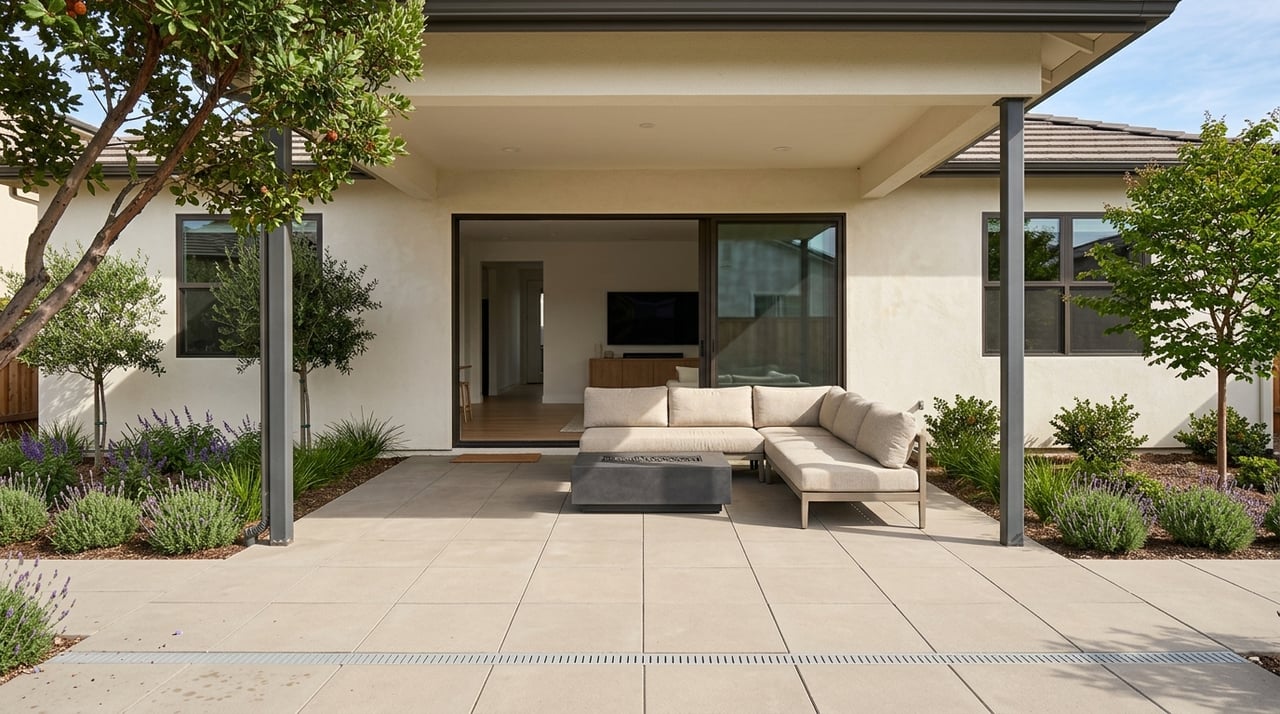
What Living in San Ramon Looks Like for Bay Area Buyers
If you are searching for a Bay Area city that balances everyday convenience with open space, San Ramon deserves a serious look. Many buyers want room to breathe without feeling cut off from jobs, dining, and daily essentials, and that can be hard to find in the Bay Area. San Ramon offers a polished suburban setting with a growing housing mix, strong amenities, and practical commuter connections. Here’s what to know if San Ramon is on your shortlist.
San Ramon sits in the San Ramon Valley of Contra Costa County, about 35 miles east of San Francisco. The city describes its evolution as a shift from a bedroom community to a significant regional employment hub, largely shaped by Bishop Ranch. That matters if you want a place where residential life and job access can exist in the same conversation.
For many Bay Area home seekers, San Ramon feels like a middle ground. You get a suburban environment with a strong amenity base, while still staying connected to larger employment centers across the region. If your goal is a lifestyle that feels organized, comfortable, and outdoors-oriented, San Ramon may check a lot of boxes.
One of the most useful things to understand about San Ramon is that it is not only a detached single-family home market. City housing and zoning materials support single-family, townhouse or cluster housing, apartments, mixed-use districts, and special-needs housing. The city also explicitly allows attached and detached ADUs.
That broader housing mix gives you more ways to enter the market depending on your budget, space needs, and long-term plans. If you are comparing East Bay locations, that flexibility can make San Ramon appealing to first-time buyers, move-up buyers, and downsizers alike. It also means you may find different lifestyle options within the same city.
Current planning in San Ramon shows continued housing growth in commercial and central areas. At the Marketplace site, planning materials reference detached condominium units, junior ADUs, and a mixed-use redevelopment pattern. In practical terms, that points to more variety near the city’s commercial core.
If you like the idea of being closer to shopping, dining, and services, you may want to pay special attention to homes near Bishop Ranch and City Center. These areas can offer a different feel from more traditional suburban pockets. For some buyers, that means less dependence on a large lot and more focus on convenience and access.
Commute fit is a big part of choosing the right Bay Area city, and San Ramon has a distinct pattern. Transit is available, but the system is mostly bus- and shuttle-based rather than rail-based within the city itself. That setup can work well for some households, but it is important to understand it clearly before you buy.
The City of San Ramon says County Connection Route 92X links the San Ramon Transit Center with the ACE station in Pleasanton. County Connection service also connects San Ramon to both Walnut Creek BART and Dublin/Pleasanton BART, including Route 21 to Walnut Creek BART and Route 35 to Dublin/Pleasanton BART.
For many residents, driving remains a central part of daily life. The city’s trail and transit systems are useful, but the overall layout still leans toward cars, shuttles, and bus-to-rail connections. If you are a rail-first commuter who wants a station in town, San Ramon may feel less convenient than some other Bay Area locations.
That said, there are helpful last-mile options around City Center Bishop Ranch. The area includes the San Ramon Transit Center, a BART shuttle, BRite Bikes, a Presto autonomous shuttle, and charging infrastructure. If you work nearby or value local convenience during the week, those features can make day-to-day routines easier.
If outdoor access matters to you, San Ramon has real depth here. The city has 59 parks, and city parks are open from dawn until dusk. That creates a steady rhythm of places to walk, gather, exercise, and spend time outside close to home.
Central Park is one of the city’s key community spaces. It spans 40.8 acres and includes fields, picnic areas, a participatory fountain, sports courts, and trail access. For buyers who picture weekends centered around outdoor time, this kind of amenity can shape how a city feels once you actually live there.
San Ramon also emphasizes more than 40 trails and open spaces. Areas like Tassajara Valley, Bishop Ranch Regional Preserve, and Bollinger Canyon add scenic variety and access to rolling hills. Bishop Ranch Open Space Regional Preserve alone covers 806 acres and offers hiking, picnicking, and wildlife viewing.
The Iron Horse Trail is especially useful because it blends recreation with practical connectivity. It runs 4.24 miles through San Ramon, is flat and paved, and connects homes, commercial areas, schools, transit, and community facilities. The trail is also wheelchair accessible and open to walking, running, biking, equestrians, and leashed dogs.
The city’s recreation planning notes that central San Ramon is relatively flat, which supports walking and biking in some areas. At the same time, I-680 remains a major barrier for east-west bike and pedestrian connectivity. So while trail access is a genuine strength, not every route will feel equally easy depending on where you live and where you need to go.
A big part of San Ramon’s appeal is that it does not feel stripped down. Bishop Ranch and City Center serve as the city’s main dining and retail hub, bringing together shopping, restaurants, and entertainment in one concentrated area. If you value having errands, coffee, dinner, and casual outings within a well-developed local core, this is a meaningful advantage.
The City Center directory includes a broad range of restaurants and cafes, including The Slanted Door, LB Steak, Bamboo Sushi, Fieldwork Brewing Co., Mendocino Farms, Philz Coffee, Ramen Hiroshi, Roam Artisan Burgers, and The LOT Restaurant. Whole Foods and Target also add daily convenience. That mix helps support a lifestyle where many routine needs can stay local.
San Ramon also offers more community infrastructure than many buyers might expect from a suburban East Bay city. The city lists community centers, an arts center, aquatic centers, a performing arts center, a senior center, libraries, and Forest Home Farms among its facilities. That range can make the city feel more complete over time, especially if you want more than just housing and commute access.
The arts footprint is notable as well. San Ramon’s arts program points to a 600-seat performing arts center, a 90-seat Front Row Theatre, five art galleries, and nearly 60 public art pieces citywide. Those features add texture to everyday life and help create community activity beyond shopping and recreation.
The library system includes two branches: San Ramon Library and Dougherty Station Library. Dougherty Station Library includes a community room, study rooms, a computer lab, free wireless internet, and 44 public computers. For buyers who care about practical civic amenities, these details matter more than they may seem at first glance.
San Ramon also has spaces and programming that give the city a more layered feel. Forest Home Farms Historic Park is a 16-acre historic site with a Tractor Museum, a railroad depot display, and education-focused programming. It offers a different kind of community experience than newer retail and mixed-use areas.
The city also uses Central Park for recurring free concerts, and its arts calendar includes events such as Arts & Eats and Culture in the Community. These kinds of public events can make it easier to picture how a city feels outside of work hours. That is often just as important as square footage or commute time.
San Ramon tends to fit buyers who want a planned suburban environment with strong parks, daily conveniences, and a polished overall feel. It can be a smart option if you want access to jobs and services without choosing a denser urban setting. Buyers comparing East Bay and South Bay lifestyles often find that San Ramon offers a distinct balance.
It may be especially appealing if you value:
On the other hand, if you prioritize dense city energy or rail-first living, San Ramon may feel less aligned with your day-to-day preferences. That does not make it better or worse than other Bay Area options. It simply means the fit depends on how you actually live.
When you evaluate San Ramon, try to go beyond broad impressions. Focus on how different parts of the city line up with your work commute, housing goals, and preferred routine. A condo or townhome closer to City Center may support one kind of lifestyle, while a more traditional residential setting may support another.
It also helps to compare your priorities in a practical way:
These are the kinds of questions that turn a city search into a confident home search. In a market as nuanced as the Bay Area, clarity matters.
If you are weighing San Ramon against other Bay Area communities, the right guidance can help you compare not just prices, but lifestyle fit, resale considerations, and the details hidden inside disclosures and property condition. If you want a calm, strategic conversation about where San Ramon fits into your search, Yuri Lavrentiev is here to help.
Stay up to date on the latest real estate trends.

Yuri provides elevated representation, refined marketing strategies, and skilled negotiation designed to protect and maximize your investment. With a tailored approach for each client, every property receives white-glove service and every transaction is executed at the highest level.
Yuri Lavrentiev | CA DRE# 02103193
1133 Minnesota Ave San Jose, CA 95125