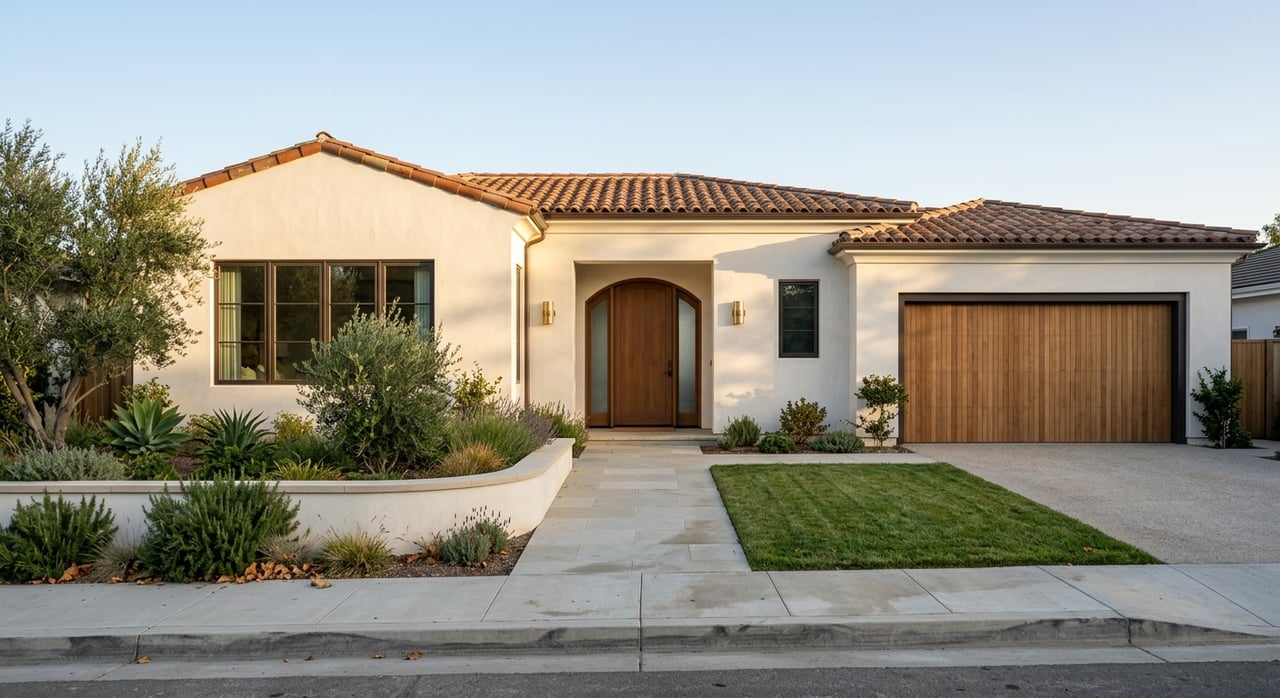
Living in San Jose: What Everyday Life Really Feels Like
Are you wondering what everyday life in San Jose actually feels like once the moving boxes are unpacked? That is a smart question, especially if you are weighing commute time, housing choices, and the kind of routine you want for yourself or your household. San Jose offers a mix of big-city scale, neighborhood-based living, and year-round access to parks, dining, and regional transit. Here is a practical look at what day-to-day life in San Jose really looks like.
San Jose is a large city with an estimated population of 989,814 as of July 1, 2025. It is also deeply international in its day-to-day character, with 42.0% of residents born outside the United States and 58.9% of people age 5 and older speaking a language other than English at home.
For you as a buyer or relocator, that often translates into a city that feels broad, varied, and locally rooted at the same time. Instead of one single lifestyle center, San Jose tends to function through a collection of neighborhoods, commute routes, shopping areas, parks, and everyday destinations.
A typical day in San Jose often revolves around work, school, errands, and travel across different parts of the city or region. The mean travel time to work is 27.3 minutes, which helps explain why many residents think carefully about where they live in relation to job centers and transportation options.
In practical terms, your routine may look different depending on your housing type, neighborhood, and commute corridor. Some people build their week around driving, while others use a mix of car trips, rail, and occasional walkable destinations.
San Jose does not depend on a single compact downtown for daily life. While Downtown San Jose is an important hub, many residents spend most of their time closer to home, using nearby parks, local dining spots, shopping districts, and major roads to move through the day.
That makes location fit especially important. When you are choosing where to live, you are often choosing a routine as much as a home.
Transportation in San Jose is best described as flexible, but still largely car-oriented. The Santa Clara Valley Transportation Authority, or VTA, oversees bus, light rail, paratransit, and broader transportation planning in Santa Clara County, while also supporting regional rail connections.
Even with these options, daily life still leans heavily toward driving. A California Department of Transportation research report using 2018 ACS data found that commuting in the San Jose metro area was predominantly automobile-based, with solo driving ranging from 67% to 78% depending on income group.
Transit can still be very useful, especially if your routine lines up with key regional corridors. VTA connects with systems like Caltrain, Capitol Corridor, Highway 17 service, and Altamont Pass commuter rail, which gives residents more than one way to reach other parts of the Bay Area.
Caltrain’s electric service includes Express trains connecting San Francisco to San Jose in about an hour. San Jose Diridon Station also offers a three-minute cross-platform transfer to South County Connector service, which can make regional commuting more manageable for some households.
BART adds another important option through Berryessa/North San José and nearby Milpitas. According to BART, travel time to Embarcadero is about 65 minutes from Berryessa and about 60 minutes from Milpitas.
For everyday life, BART is often most useful for specific commute patterns rather than short neighborhood errands. If you expect to rely on rail often, your home search may need to focus more closely on station access and total door-to-door travel time.
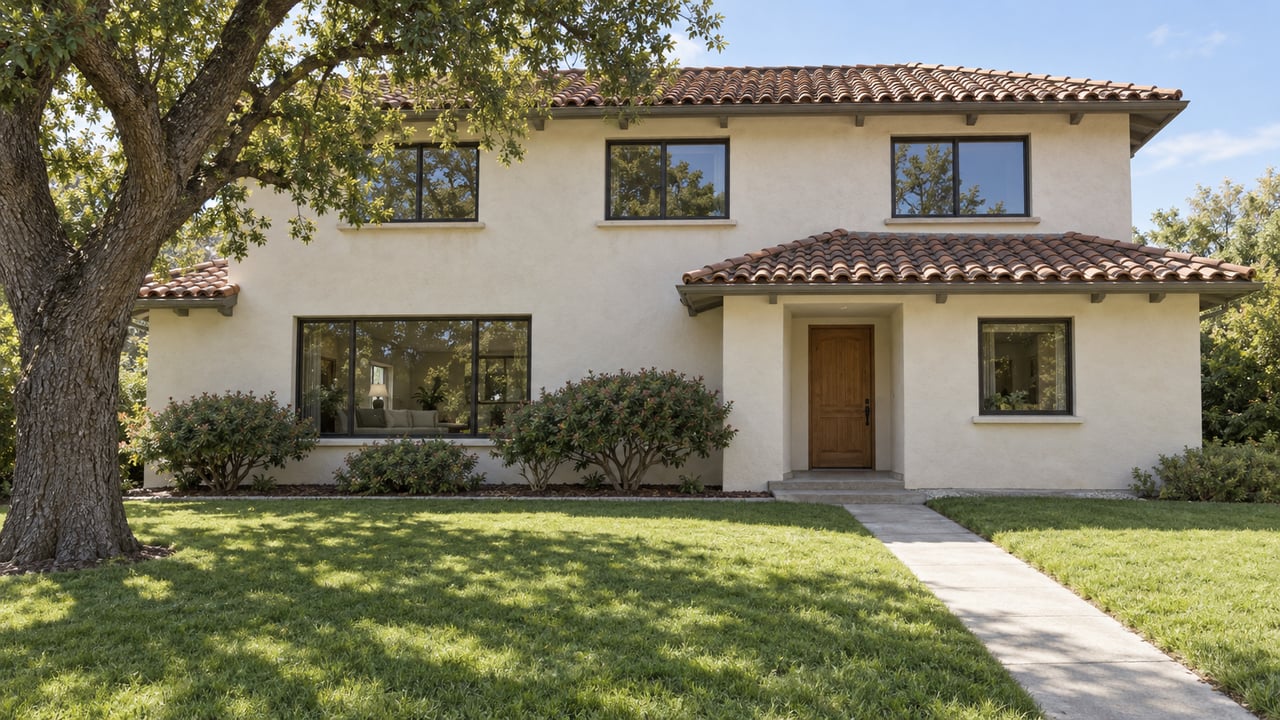
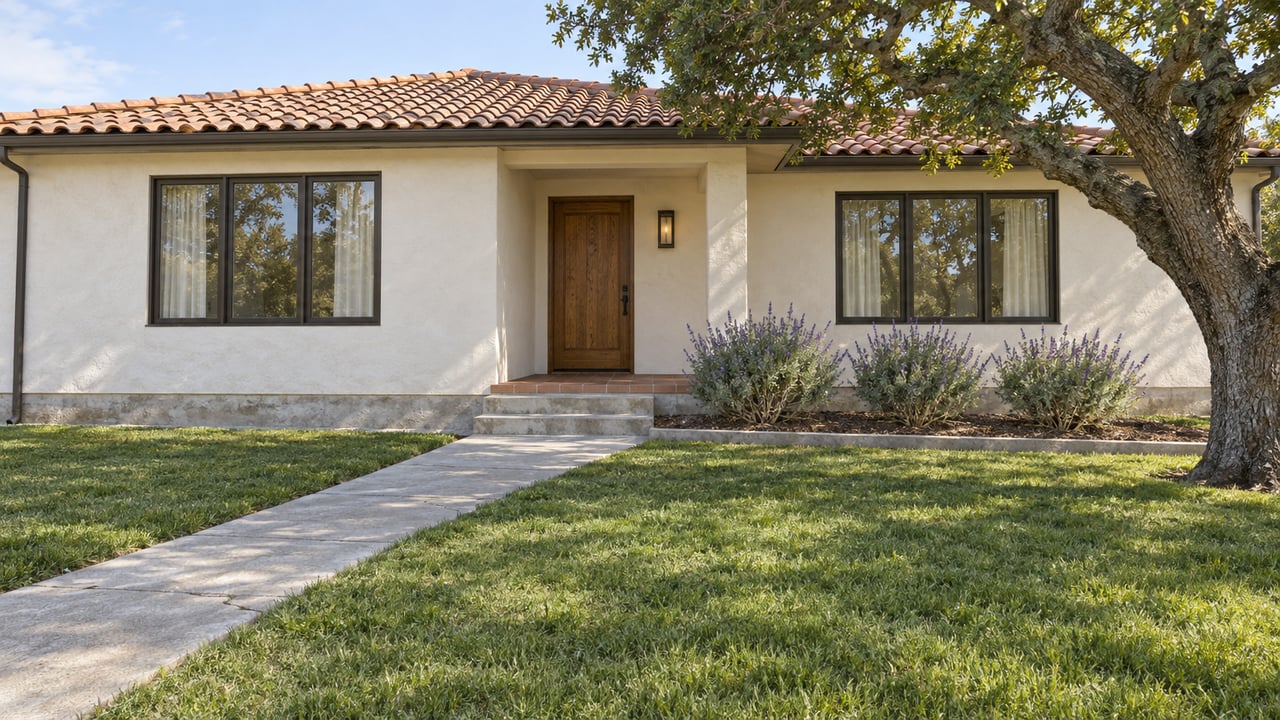
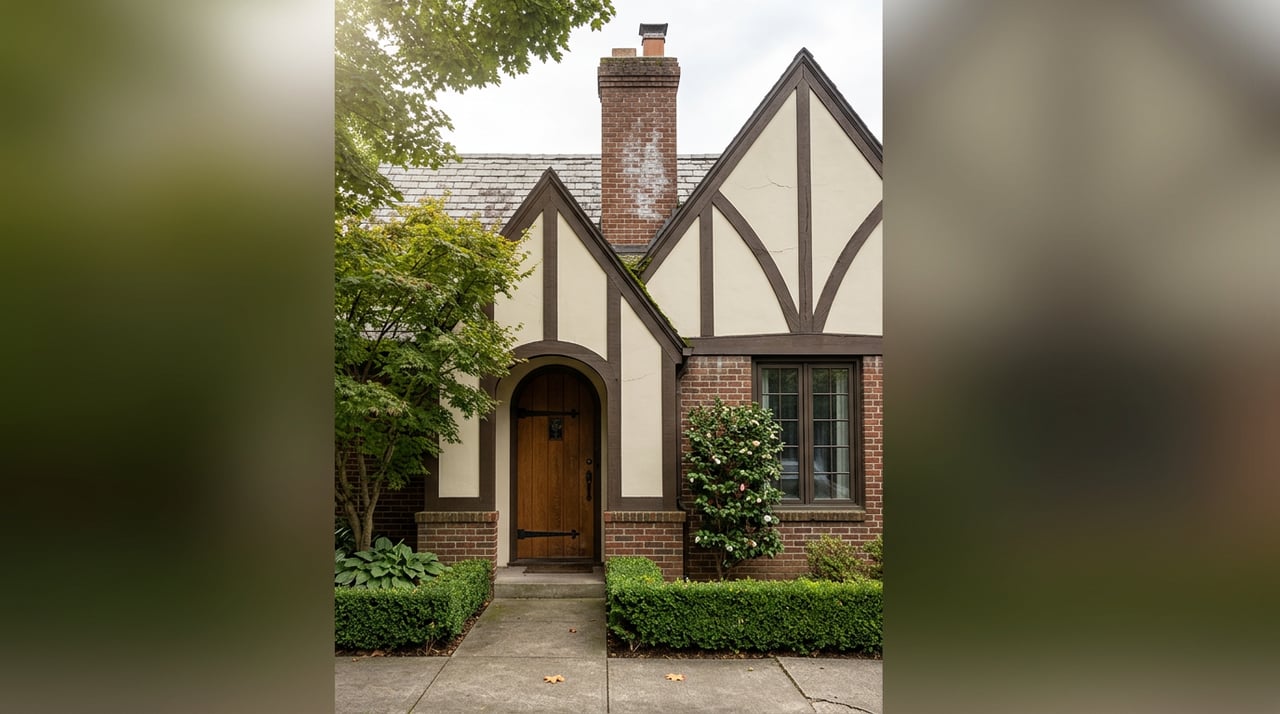
Where you live in San Jose has a major impact on what your daily routine feels like. The city’s housing stock remains mixed, but it still leans toward detached homes, which gives buyers a range of options depending on budget, lifestyle, and location.
A 2025 City of San José memorandum using 2019 to 2023 ACS data reported that the 2023 housing stock was about 51% single-family detached, 11% single-family attached, 6% in 2 to 4 unit buildings, 28% in buildings with 5 or more units, and 3% mobile homes. That means you can find both lower-density residential areas and places with more condo or apartment-style living.
New development is most likely in Downtown, North San José, the Diridon area, and approved urban village areas. If you want a home that places you closer to transit, newer multifamily housing, or denser mixed-use settings, those areas may shape your search.
If you prefer more space or a traditional detached-home setup, your routine may involve more driving but potentially a different housing experience. In San Jose, those tradeoffs are common and very location-specific.
Housing costs are a real part of planning for life in San Jose. Census QuickFacts lists a median owner-occupied home value of $1,233,200, a median gross rent of $2,669, an owner-occupied housing rate of 55.8%, and median monthly owner costs with a mortgage of $4,000+.
For many buyers, this means balancing three main factors:
That is one reason careful planning matters so much here. The right fit is often less about finding a perfect home in the abstract and more about matching your priorities to a realistic daily routine.
One of the biggest quality-of-life advantages in San Jose is how easy it is to build outdoor time into a normal week. The city says its Parks, Recreation and Neighborhood Services department supports more than 200 locations, and residents have access to 200+ parks and about 60 miles of scenic trails.
The city’s trail network already includes 61 miles developed and open to the public, with more expansion underway. That gives you plenty of options for walks, exercise, casual outings, and weekend resets without needing to leave the city.
Alum Rock Park is one of the city’s standout outdoor landmarks and, according to the city, one of California’s oldest municipal parks. Beyond city parks, the Santa Clara Valley Open Space Authority manages preserves in and around San Jose, including Coyote Valley Open Space Preserve.
In daily life, that means you can mix neighborhood park access with larger open-space destinations for longer outings. Many residents use these spaces as part of a regular rhythm, not just occasional recreation.
San Jose’s climate makes outdoor living easier than in many parts of the country. NOAA climate normals show an annual mean temperature of 61.4°F, with average January highs and lows of 59.0°F and 43.3°F, and average July highs and lows of 82.2°F and 59.1°F.
For you, that can mean more consistent access to walking, patio dining, trail use, and neighborhood outdoor time across the year. Weather is not the whole story, but it does help shape the city’s day-to-day feel.
San Jose’s dining and errand patterns are more distributed than many newcomers expect. Instead of relying on one central district for everything, residents often rotate among neighborhood business areas, major shopping destinations, and local dining pockets.
That can be a plus if you value variety across different parts of the city. It also means your driving patterns, favorite takeout spots, and go-to errands may become very specific to your part of San Jose.
Downtown San Jose has over 250 dining options, giving it clear weight as a food destination. Japantown is another notable area, with roots in one of the city’s earliest Japanese immigrant settlements and a year-round farmers’ market.
Santana Row also plays a major role in everyday lifestyle for many residents, with a mix of shopping, dining, living, working, and recreation. Together, these areas show how San Jose offers activity and variety without concentrating everything in one place.
San Jose also offers a strong mix of cultural destinations that residents can return to regularly. The city-supported cultural facilities include the Children's Discovery Museum, Hammer Theatre Center, History San José, San Jose Museum of Art, School of Arts & Culture at Mexican Heritage Plaza, and The Tech Interactive.
For day-to-day life, that matters because cultural options are not limited to rare special events. You have a steady set of places for family activities, arts experiences, and weekend plans that can become part of your normal routine.
If you are thinking about moving to San Jose, the most important question is usually not whether the city offers enough to do. It is whether a specific area supports the kind of life you want to live each day.
That often means looking closely at:
In a market this nuanced, clarity matters. A thoughtful home search can help you line up not just with the right property, but with the right routine.
If you want help thinking through which part of San Jose best fits your lifestyle, budget, and commute, Yuri Lavrentiev can help you make a more informed move with clear, steady guidance.
Stay up to date on the latest real estate trends.

Yuri provides elevated representation, refined marketing strategies, and skilled negotiation designed to protect and maximize your investment. With a tailored approach for each client, every property receives white-glove service and every transaction is executed at the highest level.
Yuri Lavrentiev | CA DRE# 02103193
1133 Minnesota Ave San Jose, CA 95125