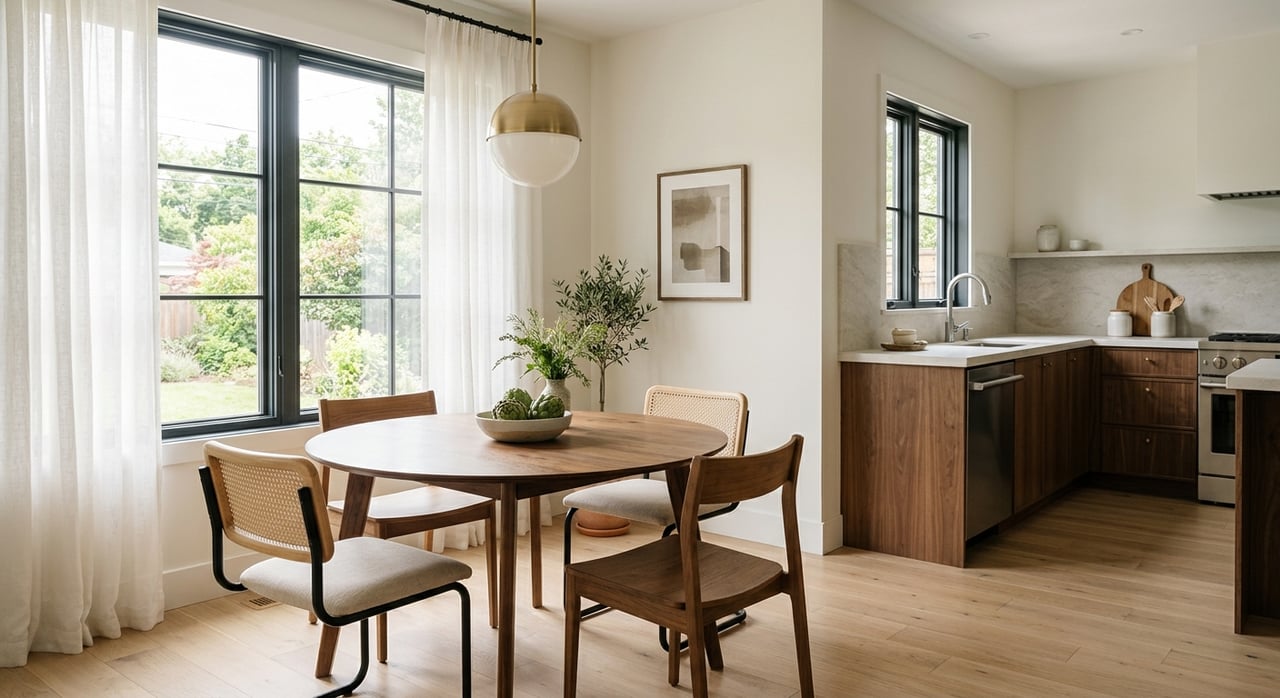
Preparing To Sell Your Campbell Home With Confidence
If you are getting ready to sell in Campbell, you may be wondering whether you need to take on a big renovation before you list. In most cases, you do not. In a market where homes can move quickly and buyers often form opinions online before they ever step inside, the better strategy is usually a focused prep plan that improves condition, presentation, and confidence. Let’s dive in.
Campbell remains a high-value South Bay market with strong buyer attention. As of May 31, 2026, Zillow reported an average home value of $1,947,178 and homes going pending in about 12 days. Realtor.com also showed a median listing price of $1.799 million, a median 26 days on market, and a 104% sale-to-list ratio in March 2026.
Those numbers tell an important story. Buyers are active, but that does not mean every home sells itself. In a market like this, launch readiness matters because early interest can shape momentum, showing activity, and offer quality.
One of the biggest mistakes sellers make is assuming they need a full remodel to compete. The stronger approach is usually to fix what buyers notice first and remove the objections that can make a home feel like more work than it is worth.
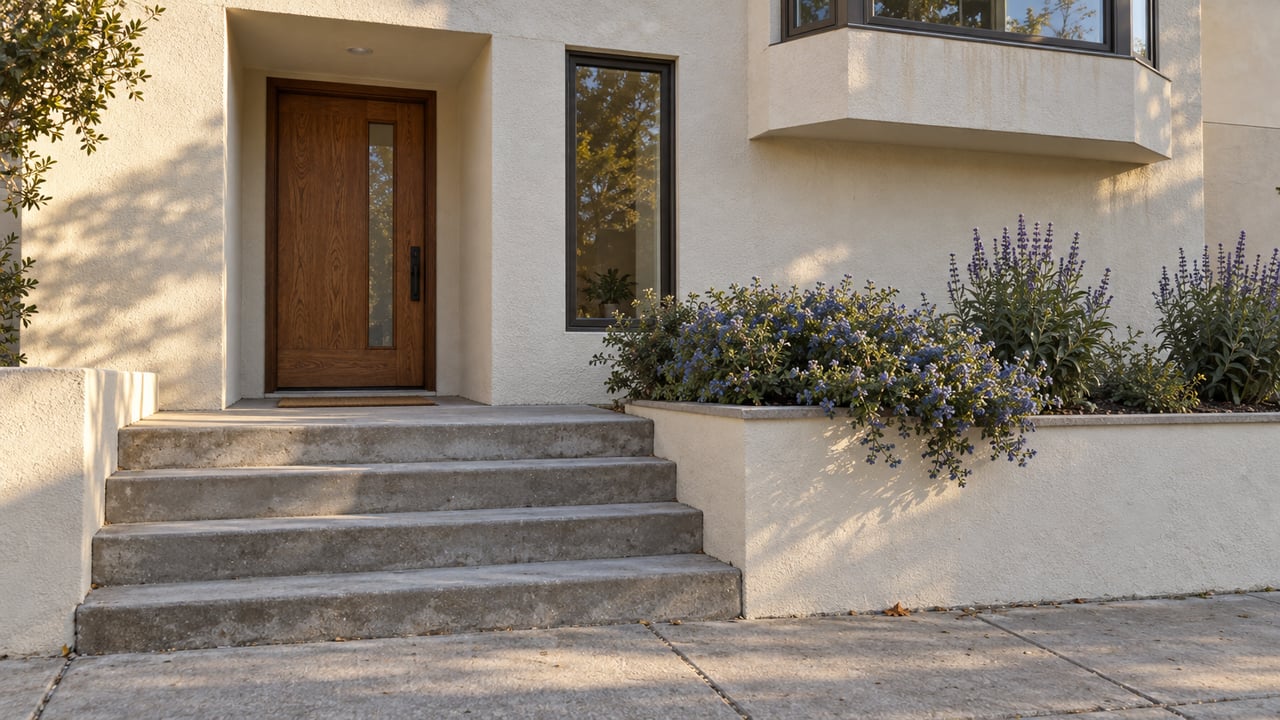
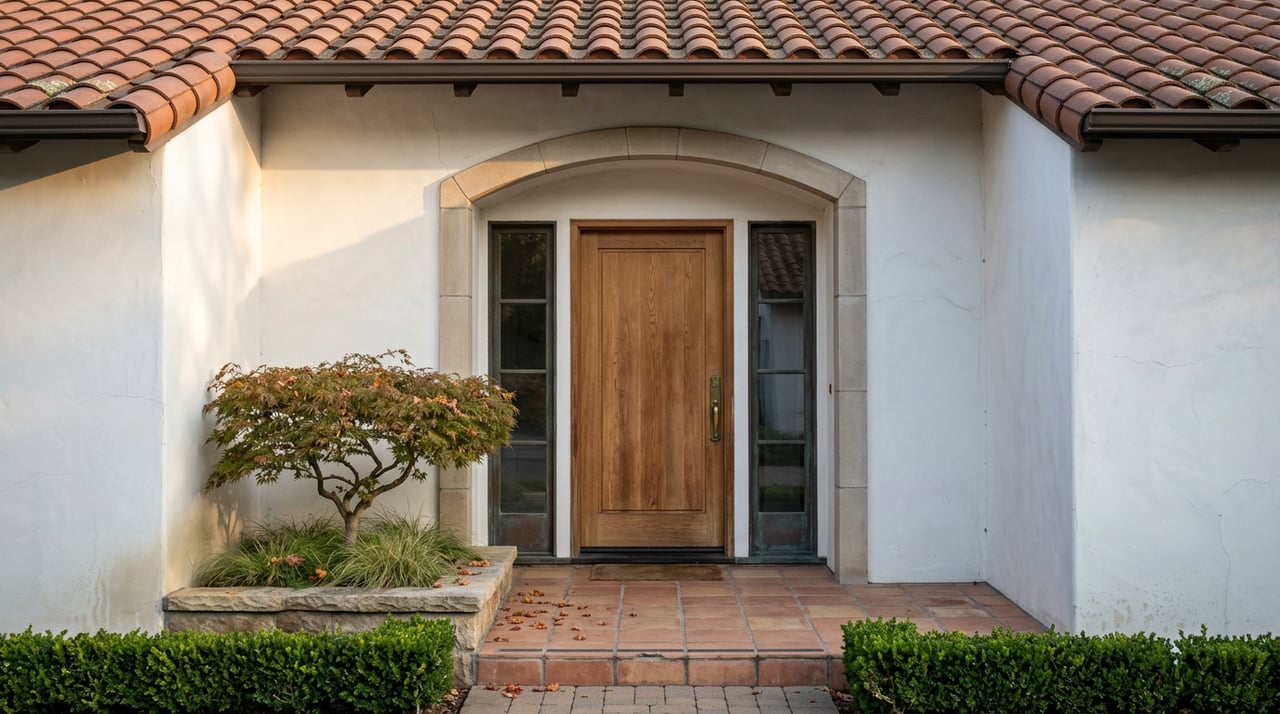
The 2025 NAR/NARI Remodeling Impact Report found that agents most often recommend sellers focus on painting the entire home, painting one room, and new roofing before listing. The same report also showed buyer demand has increased for kitchen upgrades, new roofing, and bathroom renovations, while some of the best cost-recovery projects included a new steel front door, closet renovation, and new fiberglass front door.
For many Campbell homes, that points to a practical prep budget centered on:
That does not mean every home needs all of these updates. It means your time and budget are often better spent on high-visibility improvements than on expensive work that may not meaningfully change buyer perception.
Your home gets judged twice before any serious offer comes in. First online, then in person. That is why small details can carry more weight than many sellers expect.
A scuffed wall, worn flooring transition, dated light fixture, or tired front door may seem minor when you live in the home every day. But to a buyer seeing the property for the first time, those details can suggest future cost, deferred maintenance, or a longer to-do list.
Before you think about major projects, look at the home the way a buyer would. Ask yourself whether the property feels clean, cared for, and easy to move into. That is often the standard that matters most.
If your home is full of good furniture and meaningful belongings, it can still feel crowded in listing photos. That is why decluttering should happen before photography, not after.
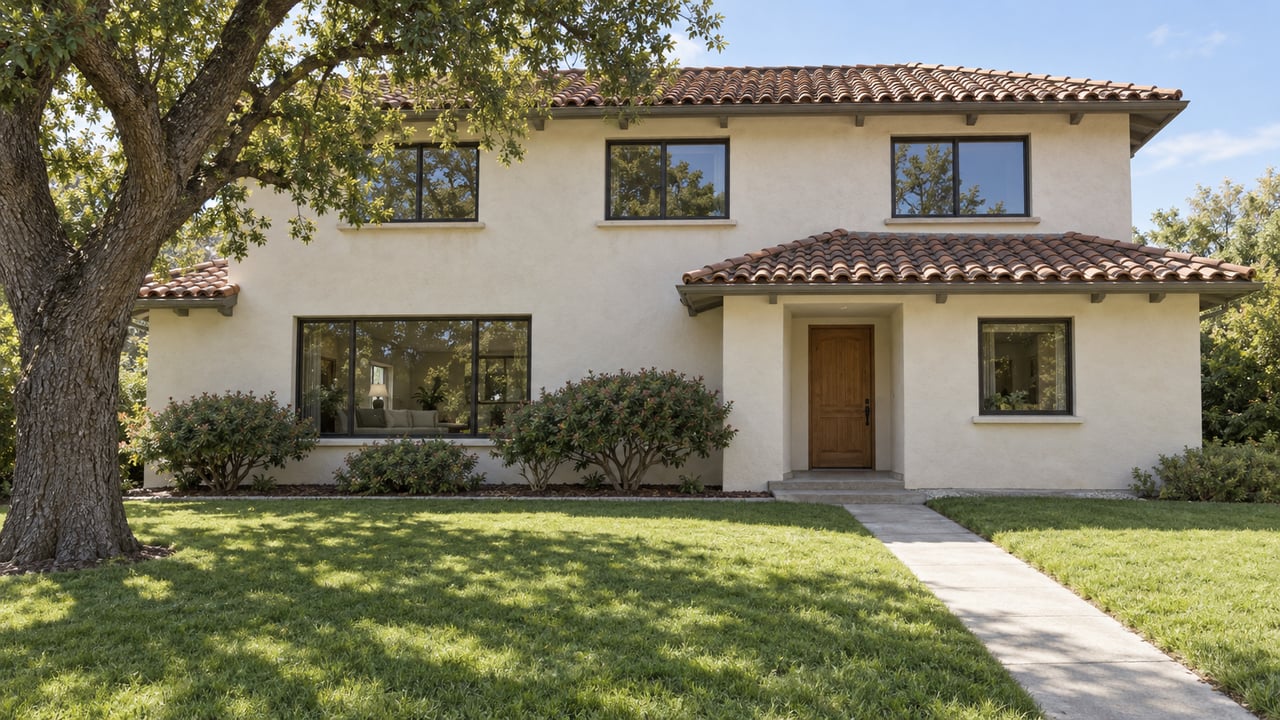
NAR’s 2025 staging research found that staging made it easier for buyers to visualize the home as their future property for 83% of buyers’ agents. The most commonly staged rooms were the living room, primary bedroom, and dining room. Outdoor spaces also matter, especially in suburban listings where buyers pay attention to patios, yards, and curb appeal.
In practical terms, staging does not always mean replacing everything in the house. More often, it means editing the space so buyers can quickly understand scale, function, and flow.
If you are trying to decide where to focus, start with the spaces buyers notice most:
These rooms help shape the emotional first impression of the home. When they look open, bright, and purposeful, the rest of the property tends to feel stronger too.
A strong pre-listing edit often involves:
The goal is not to make the home feel empty. The goal is to make it easier for buyers to imagine how they would use the space.
In Campbell, timing matters. If your home is likely to attract quick attention, you want the property to be ready before the first public photos and launch date, not while buyers are already watching.
That is especially true for visible repairs. Leaky faucets, chipped trim, loose handles, cracked caulking, or damaged flooring can distract from the features you actually want buyers to notice. When those issues pile up, they can make even a well-located home feel less polished.
A clean launch gives you a better chance to capture attention early. That first wave of buyer interest is often the most valuable, so it makes sense to do the work upfront whenever possible.
If you are planning more than light touch-ups, do not wait until the last minute to confirm what is allowed. Campbell’s Building Inspection Division says common remodel categories include interior remodels, exterior remodels, window replacements, and foundation repair, and that permit applications must be submitted electronically through the city’s MGO system.
The city also notes that HOA approval is required for interior work in condo and townhome units and for exterior work on detached homes in planned development communities. That means permit and HOA questions can affect your timeline if you are considering more than paint, cleaning, or basic cosmetic prep.
It is smart to verify requirements early if you are considering:
Even if the work seems straightforward, confirming requirements early can help you avoid launch delays.
Paperwork is part of seller prep too. In California, the seller-completed disclosure covers the property’s physical condition and potential hazards or defects, and additional disclosures may be required depending on the home’s location, age, and other factors.
For Campbell sellers, it helps to gather everything early so there is time to review and organize it before the listing launches. This step can reduce stress later and help you respond more clearly when buyers have questions.
Try to assemble:
This is one area where preparation can make a real difference. Buyers in the Bay Area often review a lot of information quickly, so having clean, organized records helps support confidence.
National seller guidance from Realtor.com identified April 12 through 18, 2026 as the best week to sell nationally, while also noting that spring is not always the best season in every market. The broader takeaway for Campbell is not that every seller should aim for one exact week. It is that timing works best when the home is fully ready.
If your photos, staging, repairs, and disclosures are all in place before launch, you are in a much better position to take advantage of market momentum. If you list before the home is ready, you may lose the impact of your strongest buyer traffic.
In other words, prep and timing should work together. The launch date matters, but readiness matters just as much.
If prep costs are part of what is holding you back, Compass offers a tool that may help. Compass Concierge fronts the cost of certain home-improvement services with zero due until closing, subject to terms.
Covered services may include:
Compass also says sellers can start as a Private Exclusive or Coming Soon in order to generate early demand and build momentum before full public MLS exposure. For some sellers, that creates more flexibility around both prep and launch strategy.
If you want a practical path forward, this is a strong order of operations:
This approach helps you spend money with purpose. It also lowers the chance that you will over-improve in areas that do not materially help your sale.
Selling your Campbell home does not have to mean tearing out kitchens or starting a major remodel. More often, the winning strategy is a thoughtful plan built around presentation, selective improvements, organized disclosures, and a clean market debut.
If you want clear guidance on what is worth doing before you list, working with someone who understands pricing, prep, disclosures, and launch strategy can make the process feel much more manageable. If you are thinking about your next move in Campbell, Yuri Lavrentiev can help you prepare with a calm, strategic plan.
Stay up to date on the latest real estate trends.





Yuri provides elevated representation, refined marketing strategies, and skilled negotiation designed to protect and maximize your investment. With a tailored approach for each client, every property receives white-glove service and every transaction is executed at the highest level.
Yuri Lavrentiev | CA DRE# 02103193
1133 Minnesota Ave San Jose, CA 95125