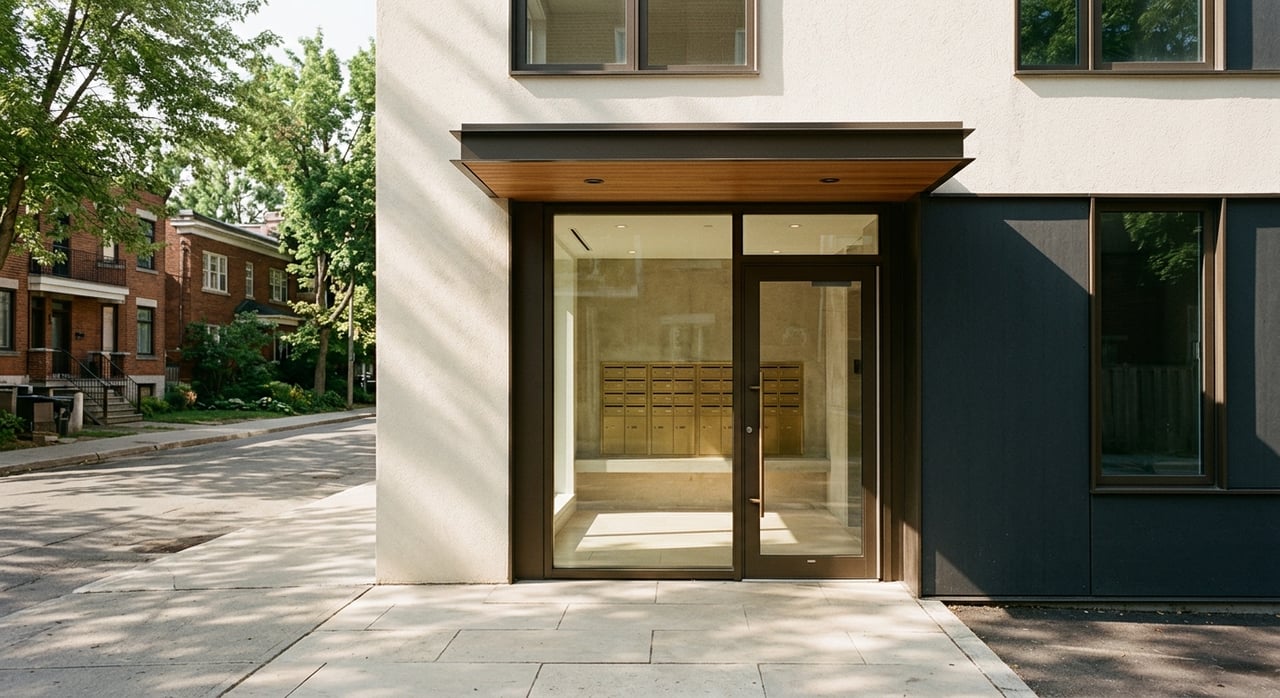
Buying A Condo In San Francisco Versus The South Bay
Wondering whether a San Francisco condo or a South Bay condo is the smarter move? It is a common Bay Area question, and the answer usually has less to do with city labels and more to do with the building itself. If you are trying to compare price, pace, building age, and HOA risk without getting lost in the details, this guide will help you focus on what matters most. Let’s dive in.
If you are choosing between San Francisco and the South Bay, your condo search may feel like you are comparing two very different housing worlds. In San Francisco, the housing stock skews older, with nearly half of units built before 1940 and another 34% built from 1940 to 1980. About 28% of units are in buildings with 20 or more units, which helps explain why buyers often encounter older condo conversions, prewar buildings, and smaller legacy associations.
In the South Bay, the age profile trends newer on average. San Jose’s largest housing-age group is 1960 to 1979, and Campbell reports a similar pattern. These are citywide figures rather than condo-only counts, but they are still useful for setting expectations about maintenance history, systems, and overall building age.
When you buy a condo in San Francisco, you are more likely to run into buildings with longer maintenance histories. That can mean older plumbing, electrical systems, roofs, windows, and common areas. It can also mean more detailed questions about deferred maintenance, reserve planning, and past or future capital projects.
Older San Francisco buildings may also come with more association complexity. Smaller HOAs, older governing documents, and legacy repairs can all affect how easy a building is to finance and how predictable your monthly ownership costs will be. None of that makes an older condo a bad purchase, but it does make due diligence more important.
In the South Bay, condo shoppers are more likely to see mid-century or later buildings than the prewar stock common in San Francisco. That does not mean every South Bay condo is low-maintenance or problem-free. It does mean the mix of likely issues may look different.
For example, a somewhat newer project may have fewer prewar-era building concerns, but it still depends on how the HOA has handled reserves, insurance, repairs, and major replacements. A newer average age can be helpful, but it is never a substitute for reviewing the actual documents for the specific project you want to buy.
One of the biggest condo-buying mistakes is focusing only on the purchase price. In reality, the HOA can have a major effect on your monthly payment, your future repair costs, and even whether your loan gets approved.
California’s common-interest-development rules give buyers an important paper trail to review before closing. The California Department of Real Estate says a condo development public report includes information about the HOA, assessments, the budget with estimated reserves, and governing documents. The DRE budget manual also states that California Civil Code section 5550 requires a reserve study every three years.
The exact answer depends on the project, but the HOA commonly handles shared building expenses and common areas. That may include items like exterior maintenance, shared roofs, hallways, elevators, landscaping, and master property insurance. Your governing documents spell out the specifics, so this is never something to assume.
As the owner, you are usually responsible for your unit interior and your own monthly HOA dues, along with any special assessments the association approves. Because shared ownership spreads certain costs across all owners, building-level repairs can affect your finances even if the issue is outside your unit.
Reserve strength can tell you a lot about the HOA’s planning. If reserves are healthy, the association may be in a better position to handle predictable future repairs without asking owners for extra money right away. If reserves are weak, a major repair can lead to a special assessment or financing concerns.
That is why reviewing the current budget, reserve information, and delinquent assessment data matters. A condo that looks affordable at first glance can become much more expensive if the building is underfunded or facing a large capital project.
Many buyers assume their personal income and down payment are the only financing hurdles. With condos, the project itself can also be a deciding factor.
Fannie Mae notes that condo project eligibility can be affected by critical repairs, inadequate master property insurance, and significant litigation. It also says project-level problems can stop a loan until they are resolved. In other words, you may be fully qualified as a borrower and still run into trouble if the building does not meet lending standards.
Before you get emotionally attached to a condo, it helps to ask a few direct questions:
These questions matter in both San Francisco and the South Bay. Still, because San Francisco’s housing stock is older on average, buyers there may run into these issues more often during disclosure review.
San Francisco has a local factor that deserves extra attention. Some wood-frame multifamily buildings must comply with the city’s mandatory Soft Story seismic rules.
If you are looking at an older San Francisco condo, ask whether any required retrofit work has already been completed. You should also ask whether there are outstanding notices, violations, or remaining cost exposure tied to the building. This is one of those building-level issues that can shape both your financial risk and your loan path.
That local layer is one reason San Francisco condo buying can require a little more building-specific diligence. In the South Bay, your concerns may still be serious, but they are often driven more by the project’s own maintenance and reserve history than by this particular San Francisco seismic requirement.
Condo shopping also feels different from city to city. Current market snapshots show San Francisco with 526 condos for sale at a median listing price of $1.09 million, 38 days on market, and 1 offer on average. San Jose shows 382 condos for sale at a median listing price of $675,000, 49 days on market, and 2 offers on average, while Campbell shows 15 condos for sale at a median listing price of $769,000, 29 days on market, and 1 offer on average.
The practical takeaway is simple. San Francisco can reward buyers who are highly prepared and ready to move quickly. San Jose may offer a bit more time to evaluate and negotiate, while Campbell can still feel fast because the number of available condos is so limited.
These are current snapshots, not permanent rules. The building’s condition, price point, presentation, and financing profile often matter more than the city name on the listing.
When you compare a San Francisco condo with a South Bay condo, look beyond list price. A lower-priced unit with high HOA dues, thin reserves, pending repairs, or financing issues may be less attractive than a higher-priced condo in a healthier project.
A smarter comparison usually includes:
This is where careful disclosure analysis can save you from expensive surprises. A condo purchase is not just about the unit you can see. It is also about the financial condition of the building you are joining.
San Francisco may appeal to you if you want access to a larger condo inventory and you are comfortable doing deeper building-level homework. You may also find more older, character-rich buildings and a wider mix of condo types. Just be prepared to evaluate maintenance history, seismic compliance questions, and HOA health with care.
The South Bay may make sense if you want condo stock that is somewhat newer on average and a search process that can sometimes allow a bit more evaluation time. That said, project quality still varies widely. You still need to review HOA documents, reserves, insurance, and financing details before you make a decision.
If you can choose either region, the best framework is usually this: San Francisco often means older stock, more building-level diligence, and a higher chance of retrofit or maintenance questions. The South Bay often means somewhat newer stock on average, but it is still HOA-driven and highly project-specific.
That is why condo buying in the Bay Area works best when you stay disciplined. You want to compare not just location and price, but also the building’s documents, repair history, reserve planning, and financing profile. A calm, informed review process can help you avoid overpaying for hidden risk.
If you are weighing condos in San Francisco versus the South Bay, working with someone who can help you sort through disclosures, HOA documents, pricing, and negotiation strategy can make the process a lot clearer. When you are ready to talk through your options, connect with Yuri Lavrentiev.
Stay up to date on the latest real estate trends.



Yuri provides elevated representation, refined marketing strategies, and skilled negotiation designed to protect and maximize your investment. With a tailored approach for each client, every property receives white-glove service and every transaction is executed at the highest level.
Yuri Lavrentiev | CA DRE# 02103193
1133 Minnesota Ave San Jose, CA 95125