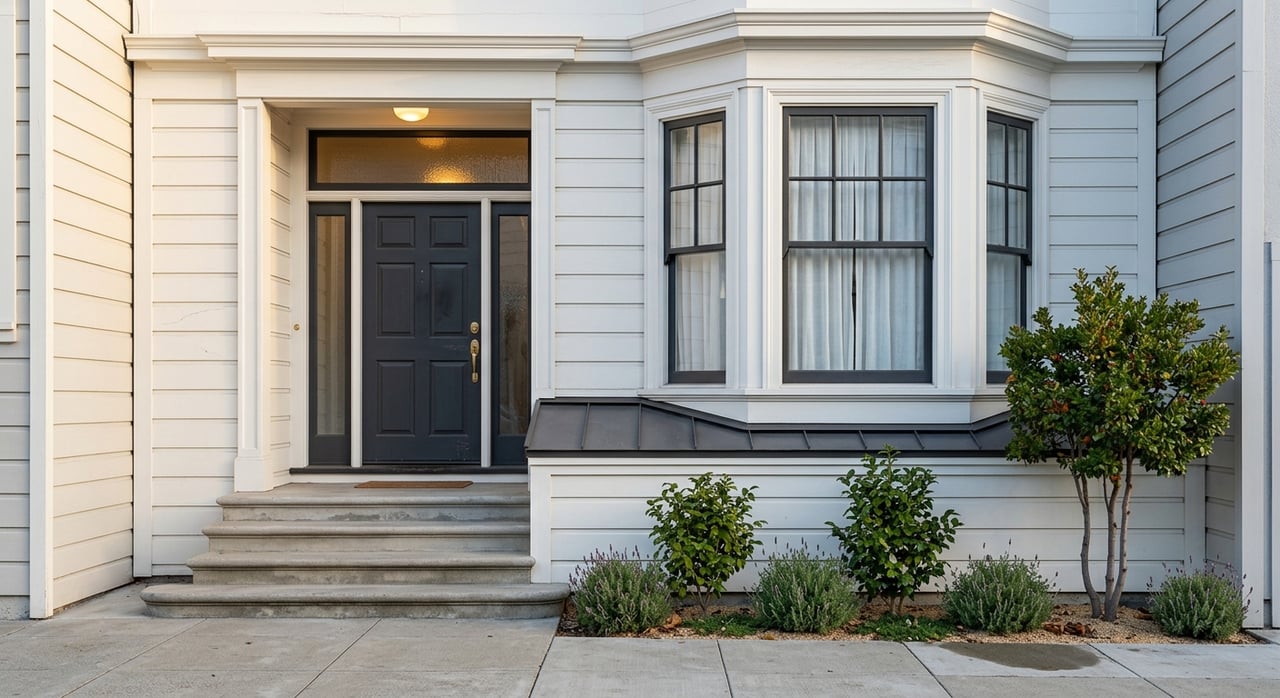
San Francisco Lifestyle Guide For Finding Your Best Fit
Wondering what it really feels like to live in San Francisco day to day? The answer is less about one citywide vibe and more about the rhythm of the block, the transit line, and the open space near your front door. If you are thinking about moving within the Bay Area or relocating to San Francisco, understanding how neighborhood style shapes daily life can help you narrow your search with more confidence. Let’s dive in.
San Francisco does not fit neatly into a simple downtown-versus-residential story. The city’s planning framework reflects that too, using 37 neighborhoods for notification purposes while also recognizing Cultural Districts and Community Benefit Districts that shape identity around heritage and local corridors.
For you as a buyer or future resident, that means neighborhood identity can feel layered rather than fixed. A transit-rich downtown district, a hilltop area with older homes, a park-edge street, and a newer waterfront zone can all offer very different versions of San Francisco living.
In San Francisco, people often choose a lifestyle pattern as much as a home. Your experience may depend on whether you want to walk to BART, spend weekends near trails or beaches, or live close to a busy commercial corridor with a visible workday pulse.
That is one reason neighborhood style matters so much here. Two homes may be only a short ride apart, but the feel of the morning, the pace of errands, and the way you spend evenings can be very different.
Some parts of San Francisco offer a more vertical, transit-oriented experience. The East Cut, Mission Bay, and parts of SoMa are strong examples of this pattern, with newer buildings, mixed-use development, and close ties to major transit connections.
The East Cut is described by the city as a fast-growing mixed-use downtown district anchored by Salesforce Transit Center and connected through Montgomery Street BART. Mission Bay is framed as a waterfront neighborhood where modern development meets a more relaxed coastal feel. In SoMa, South Park adds a smaller-scale green space where workers gather at lunch and the workday rhythm is easy to notice.
If you are drawn to convenience and mobility, these areas may stand out. You are more likely to notice commuter movement, busy daytime sidewalks, and easy access to regional connections.
This style can appeal to buyers who want condo living, newer construction, or a location that supports a less car-dependent routine. It can also be a practical fit if your work or social schedule connects you to downtown, the Peninsula, or the broader Bay Area.
Other neighborhoods highlight San Francisco’s older residential fabric. The Castro, Pacific Heights, Glen Park, and Bernal Heights each show a different side of the city’s more established housing patterns.
The Castro is still recognized for its Victorian row-house feel. Pacific Heights is presented as historic and graceful, with bay views and surrounding Victorian architecture. Glen Park carries an old-world village feel while also functioning as a transit hub, and Bernal Heights is described as a hilltop neighborhood with wide views and one of the city’s remaining natural refuges.
These neighborhoods often feel compact, local, and architecturally distinctive. Even when you are not far from downtown, the pace can feel more rooted in the immediate neighborhood than in the office core.
For many buyers, this is the version of San Francisco that feels intimate and classic. It blends older housing stock, strong visual identity, and a daily routine shaped more by the street and the hill than by the tower skyline.
If you picture a slower, more neighborhood-scaled pace, the west side deserves attention. The Inner Richmond and Inner Sunset are framed by the city as places with strong local shopping streets and easy access to major open spaces like Golden Gate Park and the Presidio.
The Inner Richmond sits between Golden Gate Park and the Presidio and is known for a mom-and-pop feel. The Inner Sunset borders Golden Gate Park and is described as vibrant and festival-oriented. On the broader west side, the Sunset Chinese Cultural District highlights long-standing Chinese American community presence, while Sunset Dunes adds a newer coastal park experience along the Ocean Beach corridor.
In these areas, daily life may center more on neighborhood errands, park access, and local commercial streets. The energy often feels less tied to office towers and more tied to outdoor routines and regular stops close to home.
That does not mean these neighborhoods feel isolated. It means the rhythm may be shaped more by buses, shopping corridors, and nearby open space than by the downtown commute pulse.
San Francisco has a clear clock-based rhythm, and transit plays a big role in it. Muni is most crowded on weekdays during the main commute periods, especially from 6:30 to 9:00 a.m. and from 3:30 to 7:00 p.m.
That pattern affects how different parts of the city feel throughout the day. Some neighborhoods are quieter early on, then pick up as commuters move through transit hubs and major corridors. In summer, cable cars and historic streetcars can also become crowded.
Local movement is only part of the picture. BART connects San Francisco with the East Bay and South Bay, and Caltrain now promotes San Francisco-to-San Jose travel in about an hour, with frequent weekday rush service.
That broader network helps explain why commute-friendly neighborhoods often feel notably less car-dependent than many U.S. cities. It also helps you think about San Francisco as part of a larger Bay Area map, especially if your work, family, or routine stretches beyond city limits.
A few neighborhoods stand out for how tightly daily life connects to transit:
If commute time and transportation flexibility are high priorities for you, this kind of access can shape your shortlist in a meaningful way.
One of the most important things to understand about San Francisco living is how much open space affects the city’s rhythm. San Francisco Recreation and Parks manages more than 230 parks, playgrounds, and open spaces, and the city reports that all residents have access to a park within a 10-minute walk.
That helps explain why even dense neighborhoods often feel connected to outdoor life. A lunch walk, an after-work park stop, or a weekend trail outing can be part of normal city living rather than a special trip.
Golden Gate Park is the largest example, stretching 1,017 acres and about three miles from Haight-Ashbury to Ocean Beach. The Presidio offers a different outdoor experience, with 1,500 acres of trails, beaches, historic architecture, and free 24-hour access.
At the same time, smaller spaces often shape daily habits just as much. South Park draws lunchtime activity, Bernal Heights offers hilltop views and natural refuge, Glen Park connects to canyon trails and a village greenway, and Sunset Dunes adds about 50 acres of coastal parkland along the Pacific edge of the city.
San Francisco’s cultural life is spread across neighborhood corridors rather than concentrated in one dominant nightlife zone. That gives the city a more localized feel after dark, where different areas offer their own mix of dining, gathering places, and street activity.
Chinatown is described by the city as the largest Chinatown outside Asia and the oldest in North America, with transit access that supports both daily errands and visitor traffic. North Beach is presented as the city’s historic Italian-American neighborhood, while Hayes Valley is known for boutiques, local dining, and evening arts energy.
The Mission adds another important layer to the city’s identity. It sits southeast of downtown, is one of San Francisco’s sunniest areas, and includes major corridors like Valencia, Dolores, and 24th Street.
For many residents, this kind of corridor-based life is central to the San Francisco experience. It is less about one central district doing everything and more about knowing which streets match your pace, routines, and interests.
If you are searching for a home in San Francisco, it helps to think beyond price and property type. You may want to ask yourself how you want your typical Tuesday to feel.
A useful starting point is to compare neighborhoods by lifestyle pattern:
When you frame your search this way, your decision becomes clearer. You are not just choosing square footage or finishes. You are choosing a daily rhythm that fits your commute, your habits, and the kind of city life you want to build.
If you want help making sense of San Francisco neighborhood patterns and how they connect to your move, Yuri Lavrentiev can help you compare options with a clear, practical strategy.
Stay up to date on the latest real estate trends.

Yuri provides elevated representation, refined marketing strategies, and skilled negotiation designed to protect and maximize your investment. With a tailored approach for each client, every property receives white-glove service and every transaction is executed at the highest level.
Yuri Lavrentiev | CA DRE# 02103193
1133 Minnesota Ave San Jose, CA 95125